
Pakistani Asian clothes bring together traditional craftsmanship, elegant silhouettes, detailed embroidery, and fabrics suited to different celebrations. Mehndi functions often call for colourful outfits with playful details, while Walima events generally favour refined cuts, softer shades, and sophisticated embellishment. Eid clothing can range from comfortable embroidered suits to graceful formal ensembles, depending on the occasion and time of day. Across these celebrations, Pakistani fashion offers a wide range of styles that balance cultural heritage with contemporary preferences. Understanding fabric choices, colours, embroidery, and outfit structure makes it easier to select an appropriate look for every festive gathering.
Pakistani Asian Clothes for Mehndi Celebrations
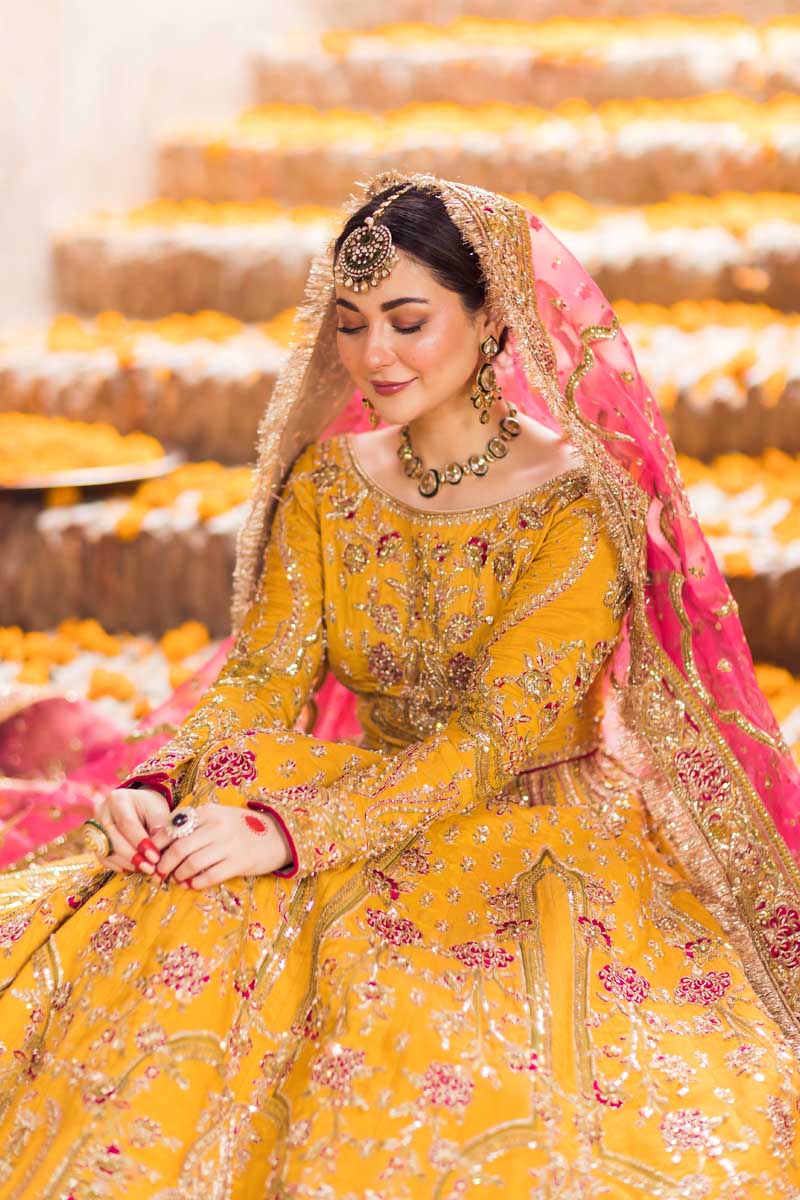
Mehndi celebrations are known for lively colours, energetic settings, and festive fashion, making bright Pakistani Asian clothes a natural choice for the occasion. Shades such as mustard, lime, orange, pink, turquoise, green, and fuchsia can create a cheerful appearance. Traditional options include ghararas, shararas, lehengas, short kurtis, and embroidered three-piece suits. Mirror work, gota detailing, thread embroidery, tassels, and colourful borders can add a playful festive character. Lightweight fabrics such as chiffon, organza, cotton silk, and lawn work well for warmer weather, while velvet and heavier textiles suit cooler evenings. Comfortable cuts remain important because Mehndi events often involve extended social gatherings and movement.
Colour Ideas for a Traditional Mehndi Look
Colour selection can significantly influence the overall appearance of a Mehndi outfit. Yellow and green remain closely associated with traditional Mehndi celebrations, while pink and orange create a warmer and more contemporary combination. Contrasting dupattas can add visual interest without requiring excessive embellishment across the complete outfit. Pastel shades can also work for daytime events when paired with colourful embroidery or decorative borders. A balanced combination of two or three complementary shades usually creates a polished result. Jewellery, footwear, and accessories can then provide additional colour without making the complete outfit appear overly busy.
Pakistani Asian Clothes for Walima Events
Walima fashion generally leans towards elegance, sophistication, and polished detailing rather than highly vibrant festive styling. Pakistani Asian clothes for a Walima can include long maxi dresses, embroidered pishwas, straight-cut suits, elegant sarees, and sophisticated lehengas. Soft colours such as ivory, champagne, powder blue, dusty pink, silver, lavender, and sage green are particularly suitable for formal receptions. Delicate embroidery, pearls, sequins, crystal embellishment, and tonal threadwork can provide a refined finish. Chiffon, silk, organza, and velvet are popular choices because these fabrics can support structured silhouettes and intricate decoration while maintaining an elegant appearance.
Elegant Walima Styling Tips
A successful Walima outfit often depends on balance. Heavy embroidery across every part of an outfit can make the appearance visually crowded, while carefully placed embellishment can create a more sophisticated effect. A heavily embroidered neckline can work with a relatively simple trouser or skirt, while a decorated dupatta can complement a minimally detailed shirt. Jewellery should also coordinate with the outfit rather than compete with it. Pearl earrings, delicate necklaces, embellished clutches, and refined footwear can complete the look. For evening receptions, slightly deeper shades and subtle metallic details can provide additional elegance without losing the formal character of the occasion.
Pakistani Asian Clothes for Eid
Eid provides an opportunity to combine traditional clothing with practical comfort. Pakistani Asian clothes for Eid include embroidered lawn suits, cotton outfits, chiffon dupatta sets, kurta trousers, long shirts, and semi-formal three-piece ensembles. Daytime Eid gatherings often suit lighter colours and breathable fabrics, particularly during warmer months. White, cream, peach, mint, sky blue, lavender, and soft pink can create a fresh appearance. For evening visits and family dinners, richer colours such as navy, emerald, maroon, plum, and deep teal can offer a more formal finish. Embroidered necklines, printed dupattas, lace borders, and subtle embellishment can add festive appeal without making everyday Eid clothing uncomfortable.
Choosing Fabrics for Different Seasons
Fabric selection plays an important role in comfort and appearance. Lawn and cotton are practical for summer Eid outfits because both fabrics are lightweight and breathable. Chiffon can create an elegant flowing effect for dupattas and formal dresses, while organza adds structure and a crisp finish to sleeves, borders, and layered designs. Silk can provide a luxurious appearance for evening occasions, whereas velvet works particularly well for winter weddings. Fabric weight should match the weather, venue, and event duration. Comfortable materials can make an elaborate outfit easier to wear for several hours, particularly during weddings involving multiple ceremonies.
Modern Trends in Pakistani Asian Fashion
Modern Pakistani Asian clothes increasingly combine traditional techniques with contemporary silhouettes. Straight shirts, oversized sleeves, layered maxis, asymmetrical hems, wide-leg trousers, and modern ghararas offer updated alternatives to conventional cuts. Minimal embroidery has also become popular for occasions where a sophisticated appearance is preferred over heavy decoration. Digital prints, tonal embroidery, delicate sequins, and geometric patterns can provide a modern finish while retaining cultural elements. Traditional craftsmanship remains visible through gota work, zari, thread embroidery, mirror details, and hand-finished borders. The result is a flexible fashion style suitable for both traditional celebrations and modern social events.
Accessories That Complete Festive Outfits
Accessories can enhance Pakistani Asian clothes when selected according to the outfit’s level of detail. Jhumkas, chandbalis, bangles, rings, embroidered clutches, khussas, and embellished sandals are common choices for festive occasions. Mehndi outfits can support colourful jewellery and playful accessories, while Walima ensembles generally benefit from more refined pieces. Eid clothing can be styled with either traditional jewellery or minimal contemporary accessories depending on the outfit. A carefully selected dupatta can also become an important styling feature. Draping style, border placement, and colour contrast can change the overall appearance without requiring alterations to the main outfit.
Practical Tips for Selecting the Right Outfit
The occasion, venue, weather, dress code, fabric, and level of embellishment should all be considered before selecting an outfit. Mehndi events usually allow greater freedom with colour and decorative details, whereas Walima receptions often call for a more sophisticated appearance. Eid clothing should balance festive style with comfort, especially when several family visits are planned. Outfit structure should also complement the intended styling. A heavily decorated dress may require simpler accessories, while a minimal suit can accommodate statement jewellery or an embellished dupatta. Proper fitting, suitable footwear, and comfortable fabric can further improve the overall experience.
Filhaal UK: A Useful Destination for Pakistani Asian Clothes
Filhaal UK provides access to Pakistani Asian clothes for shoppers seeking traditional and contemporary styles for weddings, Mehndi celebrations, Walima receptions, and Eid gatherings. A diverse selection can make it easier to explore embroidered suits, festive outfits, elegant formalwear, and culturally inspired designs in one place. For UK-based customers, access to Pakistani fashion can be particularly valuable when preparing for family celebrations, religious festivals, and Asian wedding events. Filhaal UK represents the connection between traditional Pakistani fashion and modern UK-based shopping needs, offering a convenient way to explore clothing styles that reflect cultural identity while fitting contemporary festive wardrobes.