
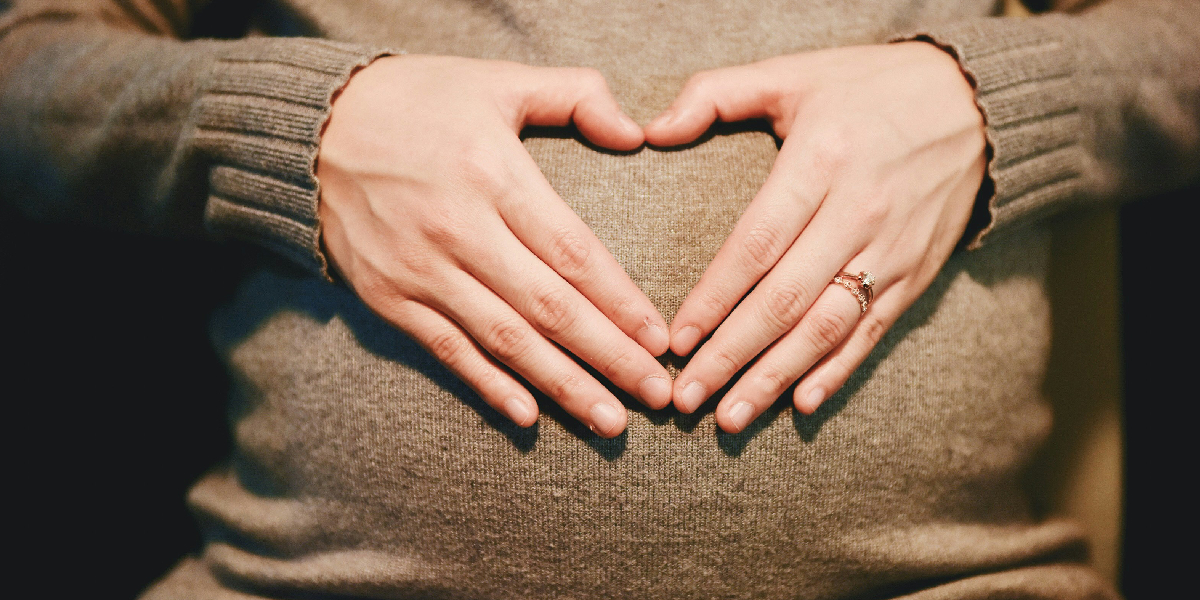
Pregnancy is a beautiful experience, but it also comes with unexpected food cravings that can feel impossible to ignore. One day you may want spicy street food, and the next day you may crave chocolate cake at midnight. These cravings are completely normal and happen to most pregnant women due to hormonal changes, emotional shifts, and increased nutritional needs.
However, many women worry about one important question — how can they satisfy pregnancy cravings without gaining too much weight?
The answer lies in balance, not restriction. Pregnancy is not the time for extreme dieting or guilt around food. Instead, it is about understanding your body, making mindful food choices, and creating healthy eating habits that support both you and your growing baby.
In this guide, you will learn practical and realistic ways to manage pregnancy cravings while maintaining healthy weight gain throughout pregnancy.
Why Pregnancy Cravings Become So Strong
Pregnancy changes your body in many ways, and your eating habits naturally change along with it. Hormonal fluctuations can affect your sense of taste and smell, making certain foods more appealing than usual. At the same time, your body needs additional nutrients and energy to support your baby’s growth.
For some women, cravings are linked to emotions. Stress, mood swings, anxiety, fatigue, and even boredom can trigger a strong desire for comfort foods. Cravings may also become stronger if you skip meals or go too long without eating.
Although cravings are normal, constantly overeating sugary, fried, or processed foods can lead to excessive weight gain. The key is learning how to satisfy cravings without turning every craving into a large unhealthy meal.
Understanding Healthy Pregnancy Weight Gain
Before worrying about weight gain, it is important to understand that gaining weight during pregnancy is natural and necessary. Your body is creating extra blood supply, supporting the placenta, storing nutrients, and preparing for breastfeeding.
The goal is not to avoid weight gain completely. The goal is to avoid excessive weight gain that may increase health risks such as:
| Possible Risks of Excess Weight Gain | Why It Matters |
|---|---|
| Gestational diabetes | Can affect mother and baby |
| High blood pressure | May lead to pregnancy complications |
| Back and joint pain | Extra pressure on the body |
| Difficult delivery | Higher risk during labor |
| Postpartum weight retention | Harder to lose weight after pregnancy |
Instead of focusing on eating less, focus on eating smarter.
Stop Thinking You Need To “Eat For Two”
One of the biggest pregnancy myths is that women should “eat for two.” This often leads to overeating and unnecessary calorie intake.
In reality, calorie needs increase only slightly during pregnancy, especially in the early months. What matters most is the quality of food you eat, not simply eating larger amounts.
For example, a balanced bowl containing vegetables, protein, and healthy carbs provides more nutrition than oversized portions of junk food.
Pregnancy nutrition should support your baby’s development while helping you maintain stable energy and healthy weight gain.
Do Not Ignore Your Cravings Completely
Many women try to fight every craving because they fear gaining weight. Unfortunately, strict restriction often backfires. When you completely deny yourself favorite foods, cravings may become even stronger later.
A better approach is portion control.
Instead of eating an entire pizza, enjoy one or two slices with a healthy salad. If you crave chocolate, have a small piece instead of a full family-sized bar.
This balance helps you enjoy pregnancy without feelings of guilt or loss of control.
Smart Portion Control Examples
| Craving | Better Approach |
|---|---|
| Ice cream | Small bowl instead of large tub |
| Chips | Handful instead of full packet |
| Cake | One slice occasionally |
| Fried food | Smaller serving with healthy sides |
| Chocolate | Dark chocolate in moderation |
Moderation is far more effective than extreme restriction.
The Importance Of Balanced Meals
One major reason cravings become intense is unstable blood sugar. When your meals are incomplete or unbalanced, your body quickly looks for sugary or high-carb foods for instant energy.
Balanced meals help you stay satisfied for longer periods and reduce sudden cravings.
A healthy pregnancy meal should include:
- Protein
- Healthy carbohydrates
- Fiber
- Healthy fats
- Vitamins and minerals
For example, compare these two breakfasts:
| Unbalanced Breakfast | Balanced Breakfast |
|---|---|
| Tea and biscuits | Eggs, toast, and fruit |
| Sugary cereal | Oatmeal with nuts |
| Plain white bread | Whole grain sandwich with protein |
Balanced meals help control hunger naturally throughout the day.
Why Protein Helps Control Cravings
Protein is one of the most important nutrients during pregnancy. It supports your baby’s growth and also keeps you feeling full for a longer time.
Without enough protein, you may feel hungry again shortly after eating.
Good pregnancy-friendly protein options include:
- Eggs
- Greek yogurt
- Paneer
- Lentils
- Chicken
- Fish
- Tofu
- Milk
- Nuts and seeds
Adding protein to every meal can significantly reduce unhealthy snacking.
For example, instead of eating plain fruit as a snack, combine fruit with yogurt or nuts. This combination keeps blood sugar more stable and helps prevent overeating later.
How Dehydration Can Trigger False Hunger
Many pregnant women mistake dehydration for hunger. Sometimes the body sends signals that feel like cravings when you actually need water.
Pregnancy increases your body’s fluid needs, making hydration even more important.
Signs You May Need More Water
| Common Signs | What It May Mean |
|---|---|
| Dry mouth | Mild dehydration |
| Fatigue | Low fluid intake |
| Headaches | Dehydration symptoms |
| Constant snacking | Possible thirst confusion |
Try drinking a glass of water before reaching for snacks. You may notice that some cravings disappear within a few minutes.
Adding lemon, cucumber, or mint to water can also make hydration more enjoyable.
Emotional Eating During Pregnancy
Pregnancy affects emotional health just as much as physical health. Hormonal changes can increase stress, anxiety, irritability, and mood swings. Many women use food as emotional comfort without realizing it.
This becomes a problem when emotional eating turns into a daily habit.
For example, stress eating may happen after:
- A difficult workday
- Poor sleep
- Relationship stress
- Feeling overwhelmed
- Loneliness during pregnancy
Instead of automatically turning to food, try finding other comforting activities such as walking, listening to music, reading, or talking with supportive friends or family members.
Understanding emotional triggers can help you avoid unnecessary overeating.
Healthier Ways To Satisfy Common Pregnancy Cravings
You do not always need to completely avoid the foods you crave. Often, simple healthier swaps can satisfy cravings while reducing sugar, fat, and excess calories.
Healthier Pregnancy Craving Swaps
| If You Crave | Try This Instead |
|---|---|
| Ice cream | Frozen yogurt with fruit |
| Soda | Sparkling water with lemon |
| Candy | Dates or dried fruits |
| French fries | Air-fried potatoes |
| Milkshakes | Homemade fruit smoothies |
| Chips | Roasted makhana or popcorn |
| Sugary desserts | Dark chocolate and nuts |
These small changes can make a big difference over time.
Never Skip Meals To “Save Calories”
Some pregnant women skip meals after overeating earlier in the day. This often creates a cycle of intense hunger and binge eating later.
Skipping meals can:
- Increase cravings
- Lower energy levels
- Cause blood sugar crashes
- Trigger overeating later
Instead of skipping meals, return to balanced eating at your next meal.
Eating consistently throughout the day is much healthier than trying to compensate for occasional indulgences.
The Role Of Fiber In Managing Hunger
Fiber helps slow digestion and keeps you feeling satisfied longer. It also supports healthy digestion and helps prevent constipation, which is very common during pregnancy.
Foods rich in fiber include:
| High-Fiber Foods | Benefits |
|---|---|
| Oats | Keeps you full longer |
| Fruits | Natural sweetness and vitamins |
| Vegetables | Low calorie and nutrient rich |
| Lentils | Fiber plus protein |
| Whole grains | Stable energy levels |
A fiber-rich diet can naturally reduce unnecessary snacking between meals.
Mindful Eating Can Prevent Overeating
One simple habit that makes a huge difference during pregnancy is mindful eating.
Many women eat while scrolling on phones, watching television, or working. Distracted eating often leads to larger portions without satisfaction.
Mindful eating means slowing down and paying attention to your food.
Simple Mindful Eating Habits
- Eat slowly
- Chew properly
- Sit down during meals
- Avoid eating directly from packages
- Notice fullness signals
When you truly enjoy your food, you are less likely to overeat.
Why Sleep Affects Pregnancy Cravings
Sleep deprivation can increase hunger hormones and make sugary foods harder to resist.
Pregnancy already affects sleep quality because of discomfort, frequent urination, and hormonal changes. Poor sleep often leads to low energy, and the body naturally craves quick-energy foods like sugar and refined carbs.
Better Sleep Habits During Pregnancy
| Healthy Sleep Habit | Benefit |
|---|---|
| Fixed bedtime | Improves sleep rhythm |
| Less screen time | Better sleep quality |
| Light evening meals | Easier digestion |
| Comfortable pillows | Reduces body discomfort |
Better sleep often leads to better appetite control.
Keep Healthy Snacks Around You
When hunger appears suddenly, convenience matters. If healthy foods are available, you are more likely to make better choices.
Instead of storing large amounts of junk food at home, prepare healthier snack options in advance.
Good pregnancy snacks include yogurt, fruits, nuts, roasted chana, smoothies, and boiled eggs.
Keeping nutritious snacks nearby helps prevent impulsive eating.
Staying Active Helps More Than You Think
Physical activity during pregnancy is not only good for fitness but also helpful for appetite regulation, mood, digestion, and energy levels.
Safe activities may include:
- Walking
- Prenatal yoga
- Swimming
- Light stretching
Even a short daily walk can help reduce stress eating and improve overall well-being.
Always follow your doctor’s recommendations before beginning exercise during pregnancy.
Understanding The Difference Between Hunger And Cravings
Learning the difference between physical hunger and cravings can help you avoid unnecessary eating.
Hunger Vs Cravings
| Hunger | Cravings |
|---|---|
| Develops gradually | Appears suddenly |
| Open to many foods | Specific food desire |
| Physical need | Emotional or mental urge |
| Stops after fullness | May continue after eating |
Before eating, pause for a moment and ask yourself whether you are truly hungry or simply craving comfort or stimulation.
This small habit can improve eating awareness significantly.
Avoid Guilt Around Food
One unhealthy meal does not ruin your pregnancy. Sometimes women become so focused on “eating perfectly” that food starts creating stress and anxiety.
Pregnancy should include flexibility and enjoyment.
If you eat dessert at a celebration or enjoy your favorite snack occasionally, that is perfectly okay. Long-term habits matter much more than occasional treats.
Healthy pregnancy nutrition is about consistency, balance, and self-care — not perfection.
When To Speak With A Doctor
Most pregnancy cravings are harmless, but some situations require medical guidance.
Speak with your healthcare provider if you notice:
- Extremely rapid weight gain
- Constant uncontrollable hunger
- Cravings for non-food items
- Symptoms of gestational diabetes
- Severe swelling or fatigue
Professional support can help ensure a healthier pregnancy journey.
Final Thoughts
Pregnancy cravings are completely normal, and you do not need to fear them. The key is finding balance between satisfying cravings and maintaining healthy habits.
Instead of following strict diets or feeling guilty about food, focus on eating balanced meals, staying hydrated, sleeping well, managing stress, and practicing portion control.
Small consistent habits make a bigger difference than occasional indulgences.
Remember, pregnancy is not about achieving perfection. It is about nourishing your body, supporting your baby’s growth, and building healthy routines that make you feel your best throughout this special journey.