


Efficient material transport is an important part of modern farming. Agricultural operations often need to move large quantities of grain, feed, soil, manure, fertilizer, hay, rocks, and other materials between fields, storage areas, barns, and processing facilities. Moving these materials manually or with unsuitable equipment can take a lot of time and increase labor costs.
Ag side dump trailers provide a practical solution for farms that need to transport and unload bulk materials efficiently. Their side-dumping design allows materials to be discharged from the trailer’s side instead of requiring the entire trailer to tilt backward. This can provide greater flexibility when working in fields, tight areas, and locations where rear unloading is difficult.
Choosing the right trailer and using it correctly can help farmers improve hauling efficiency, reduce unnecessary handling, and make daily farm operations easier.
What Are Ag Side Dump Trailers?
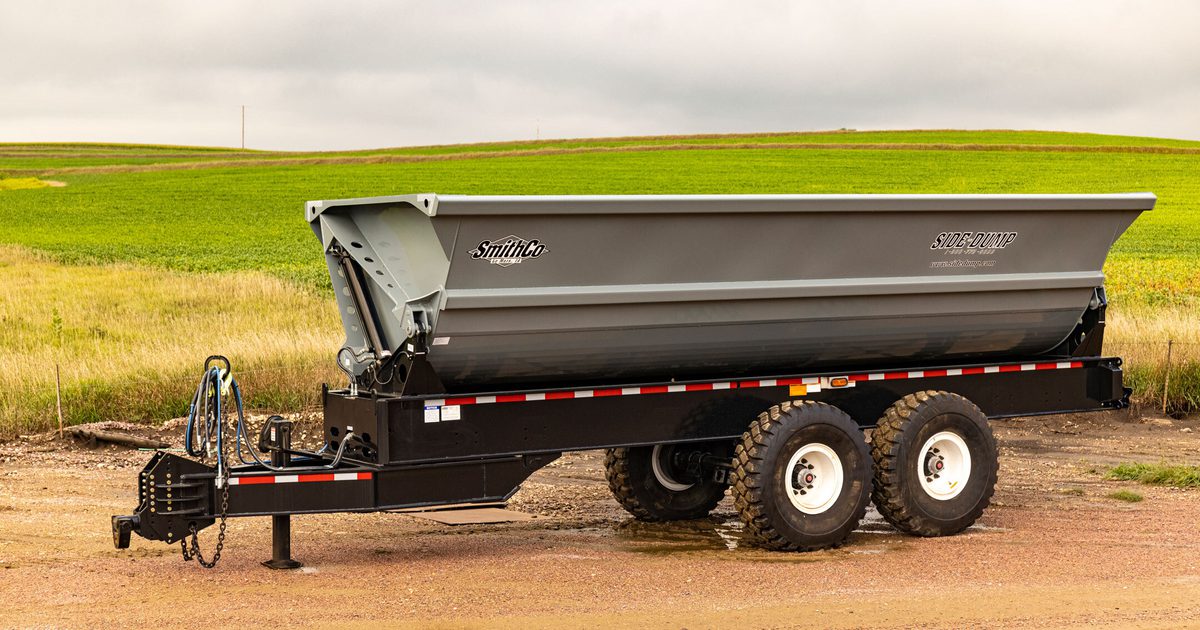
Ag side dump trailers are agricultural trailers designed to transport and unload bulk materials. Unlike conventional dump trailers that typically raise the front of the trailer to unload from the rear, a side dump trailer uses a mechanism that tips or moves the load toward one side.
These trailers can be used with suitable tractors or towing equipment, depending on their design and capacity.
Common materials transported with agricultural dump trailers include:
- Grain
- Feed
- Fertilizer
- Soil
- Sand
- Gravel
- Manure
- Compost
- Farm waste
- Rocks
- Other bulk materials
The exact applications depend on the trailer’s construction, capacity, hydraulic system, and manufacturer’s specifications.
Faster Material Unloading
One of the main benefits of ag side dump trailers is their ability to unload materials quickly. Traditional unloading methods may require more positioning and space, particularly when materials need to be placed beside a field or work area.
A side dump design allows the operator to discharge the load to the side. This can make unloading more convenient when the destination is located alongside the trailer.
Faster unloading can reduce the time spent at each delivery point. On farms where multiple loads need to be transported during a single day, these time savings can improve overall productivity.
Better Access in Different Locations
Farm environments are rarely uniform. Fields, storage yards, barns, roads, and construction areas can have different layouts and access limitations.
A rear-dump trailer may require enough clear space behind the trailer to unload safely. A side dump trailer provides another unloading option when rear access is limited.
For example, a farmer may need to unload soil alongside a field or place gravel along a farm road. Side unloading can make it easier to position the material where it is required.
The operator should always assess the surrounding area before dumping to ensure there is enough clearance and stable ground.
Efficient Farm Material Handling
Agricultural operations involve continuous movement of materials. The same farm may need to transport soil during land preparation, manure for field application, grain during harvest, and feed throughout the year.
Using a trailer designed for bulk material handling can reduce the number of trips and simplify transportation.
A properly sized trailer can carry a substantial amount of material in each load. This reduces unnecessary trips between the loading and unloading points.
The result can be a more organized material handling process and better use of available labor and equipment.
Reduces Manual Handling
Moving heavy materials manually requires considerable physical effort. Workers may need to load, move, unload, and spread materials using smaller tools or equipment.
A side dump trailer can handle large quantities of material with less manual unloading work.
Hydraulic systems allow the operator to control the dumping process from the tractor or towing vehicle, depending on the trailer design.
Reducing manual material handling can save time and allow farm workers to concentrate on other important activities.
Useful During Harvest
Harvest season is one of the busiest periods on many farms. Large quantities of crops need to be moved quickly from fields to storage, processing, or transportation areas.
While the exact trailer required depends on the crop and operation, agricultural trailers can play an important role in moving harvested materials and related products.
Efficient unloading is particularly important during harvest because delays can affect combines, trucks, storage systems, and other equipment.
A suitable trailer can help keep materials moving and reduce unnecessary waiting time.
Suitable for Soil and Aggregate Transport
Farm improvement projects often require the movement of soil, gravel, sand, rocks, and other materials.
These materials can be heavy and difficult to handle manually. A properly built dump trailer can transport substantial loads and unload them where needed.
Side dumping can be useful when spreading material along a farm road, drainage area, field edge, or construction site.
However, the trailer must be rated for the type and weight of the material being carried. Overloading can create safety risks and cause excessive wear on tires, suspension, axles, and hydraulic components.
Helps With Manure and Compost Handling
Manure and compost are commonly transported around livestock and agricultural operations. Farmers may need to move these materials from barns or storage areas to fields.
A side dump trailer can help simplify this process by allowing bulk material to be unloaded alongside the trailer.
This can be particularly useful when material needs to be placed in rows or deposited near a specific area before spreading.
Proper cleaning and maintenance are important when trailers are regularly exposed to manure, moisture, and corrosive materials.
Hydraulic Dumping System
Many side dump trailers use hydraulic systems to control the dumping mechanism. Hydraulic power allows the operator to raise or tip the trailer with controlled movement.
A reliable hydraulic system is important for safe and efficient operation.
Farmers should regularly inspect:
- Hydraulic hoses
- Cylinders
- Fittings
- Hydraulic fluid
- Connections
- Control systems
Leaks or damaged hydraulic components should be addressed promptly. Operators should also follow the manufacturer’s instructions when using the dumping system.
Trailer Capacity Matters
The trailer’s capacity should match the farm’s transportation requirements. Choosing the correct size can help reduce the number of trips without creating unnecessary operating costs.
Important capacity considerations include:
- Material type
- Load weight
- Load volume
- Tractor capacity
- Road conditions
- Field conditions
- Trailer dimensions
It is important to distinguish between volume capacity and weight capacity. A trailer may have enough physical space for a material but still exceed its safe weight limit.
Always follow the manufacturer’s rated capacity and applicable transportation requirements.
Better Use of Tractor Time
Farm tractors are valuable pieces of equipment that are often used for many different tasks. If a tractor spends too much time transporting and unloading materials, it may not be available for other farm activities.
An efficient side dump trailer can help reduce the time required for each hauling cycle.
Faster loading, transportation, and unloading can allow the tractor to return to other tasks sooner.
This can be especially valuable during busy periods when multiple pieces of farm equipment need to work according to a tight schedule.
Durability for Agricultural Conditions
Agricultural trailers operate in demanding environments. They may travel over uneven fields, gravel roads, muddy areas, and rough farm tracks.
A durable trailer should be designed to handle regular agricultural use. Important components include the frame, axles, suspension, tires, hydraulic system, dumping mechanism, and trailer body.
Heavy-duty construction may be especially important when transporting abrasive or dense materials such as gravel and rocks.
Before purchasing, farmers should consider the type of materials they will transport and the conditions where the trailer will operate.
Easy Loading and Unloading
Efficient hauling depends on both loading and unloading. A trailer that is difficult to load can reduce the benefits of fast dumping.
Farmers should consider how the trailer will be loaded. Depending on the material and operation, loading may be performed with a loader, skid steer, excavator, conveyor, or other equipment.
The trailer should provide suitable access and enough capacity for the loading equipment being used.
Good coordination between loading and transportation equipment can reduce waiting time and improve the overall hauling cycle.
Reduces Unnecessary Trips
Transportation efficiency is closely connected to the number of trips required to move a certain amount of material.
If a trailer can safely carry a larger load, fewer trips may be needed. This can reduce fuel consumption, operator time, and equipment wear.
However, carrying capacity should never exceed the trailer’s rated limits. The goal is to find a suitable balance between load capacity, road conditions, tractor power, and operating costs.
Important Safety Considerations
Safety is essential when operating ag side dump trailers. Dumping a heavy load changes the trailer’s center of gravity, so the ground conditions and surrounding area must be considered carefully.
Operators should:
- Check that the ground is stable
- Avoid dumping on unsafe slopes
- Keep people away from the dumping area
- Follow the manufacturer’s operating instructions
- Check hydraulic components regularly
- Avoid exceeding the rated capacity
- Secure loads properly during transport
- Inspect tires and brakes before use
Operators should also make sure the tractor and trailer combination is suitable for the load.
Training and careful operation can help reduce the risk of accidents.
Maintenance Tips for Side Dump Trailers
Regular maintenance can help extend trailer life and reduce unexpected downtime.
Inspect the trailer before use and pay attention to areas that experience heavy stress.
Maintenance may include checking:
- Tires and wheel assemblies
- Axles
- Hydraulic cylinders
- Hoses and fittings
- Trailer frame
- Dumping mechanism
- Safety components
- Lights and electrical connections
- Hitch and attachment points
Clean the trailer regularly, especially after transporting wet or corrosive materials. Follow the manufacturer’s recommended service schedule for lubrication and component inspection.
Choosing the Right Ag Side Dump Trailer
Farmers should consider their actual transportation needs before purchasing a trailer.
Important factors include:
- Load capacity
- Trailer dimensions
- Dumping direction
- Hydraulic requirements
- Tractor compatibility
- Frame strength
- Tire type
- Suspension design
- Material being transported
- Maintenance requirements
It is also useful to consider how frequently the trailer will be used. A small farm with occasional hauling needs may not require the same capacity as a large commercial operation.
Cost and Long-Term Value
The purchase price is important, but it should not be the only factor when comparing trailers.
Farmers should also consider fuel efficiency, maintenance costs, tire replacement, repair requirements, expected service life, and resale value.
A durable trailer with reliable hydraulic components may cost more initially but could provide better long-term value if it requires fewer repairs.
Choosing equipment that matches the farm’s workload can help avoid paying for unnecessary capacity.
Conclusion
Ag side dump trailers can improve farm material transport by making bulk hauling and unloading faster, more flexible, and easier to manage. Their side-dumping design can be especially useful when materials need to be placed beside a field, road, storage area, or other work location.
The right trailer can help reduce manual handling, shorten unloading time, decrease unnecessary trips, and make better use of tractors and farm labor. However, capacity, tractor compatibility, hydraulic performance, construction quality, and safety should all be considered before purchasing.
Regular inspections and maintenance are equally important. By choosing a trailer that fits the farm’s actual needs and operating it according to the manufacturer’s recommendations, farmers can create a more efficient material transportation system and get greater value from their agricultural equipment.