


Walk into ten different homes and you will notice a pattern. The kitchens differ. The wall colors differ. The furniture differs. But something small keeps repeating itself in the nicer homes: a door that feels like it belongs in a boutique hotel rather than a hardware store catalog. Homeowners no longer treat a door as filler between two walls. A door now carries weight in a design plan the same way a light fixture or a piece of art does. This change in mindset explains why Luxury Internal Doors keep showing up in renovation conversations across the design world.
What Separates A Cheap Door From A Premium One?
Touch tells the story before the eye does. A hollow door wobbles under a light push. It sounds thin when you knock on it. A dense door refuses to budge like that. The hinges swing without a squeak. The surface holds a cool, glassy finish under the fingers. Even the click of the latch carries a different pitch. None of these traits scream for attention on their own. Stack them together though and a person walking through the space picks up on quality without needing an explanation.
Why Has Home Life Pushed This Trend Forward?
Kitchens turned into offices. Spare rooms turned into gyms. Guest rooms turned into studios. Once a house absorbs every role a person needs, the tolerance for dull, forgettable details drops fast. Nobody wants to step through a flimsy door on the way into a home office where three hours of video calls await. Comfort and appearance now travel together in most renovation decisions, and that pairing keeps pointing homeowners toward Luxury Internal Doors whenever a budget allows for an upgrade.
Can A Single Door Change The Mood Of A Room?
Picture a hallway with plain flat doors lined up like filing cabinets. Now swap one for a deep walnut door with a hand-rubbed finish. The whole hallway shifts character. A door acts as a frame, and frames shape perception the way a mat shapes a painting. Hotels understood this decades ago. Guests judge a room’s quality within seconds of the door swinging open, long before they notice the sheets or the artwork on the wall. Homes now borrow that same psychology, one doorway at a time.
Is This Trend Only Skin Deep?
Hardly. Function rides alongside style here, not behind it. Denser cores trap sound better, which matters for anyone recording, studying, or simply craving quiet. Tighter seals around the frame block drafts and keep heating bills from creeping upward. Sturdier hinges resist sagging, so the door still closes flush after five winters instead of scraping the frame. A budget door might need swapping out after a handful of years. A well-built one shrugs off decades of daily use without complaint.
Which Materials Show Up Most Often?
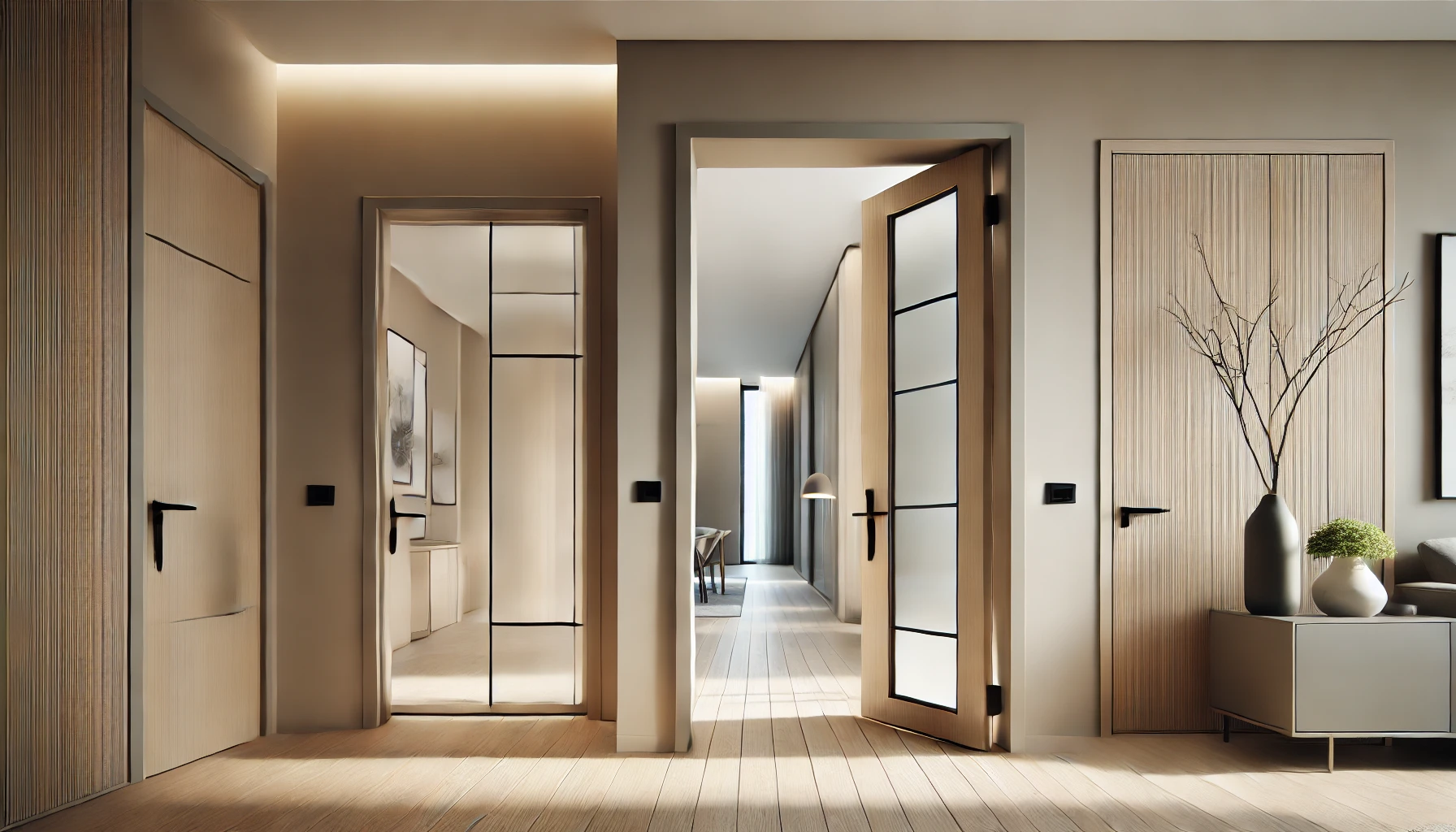
Solid oak still dominates traditional interiors, prized for its grain and warmth. Walnut and mahogany show up where a darker, moodier palette rules the room. Glass panels dominate minimalist spaces, especially frosted variants that let daylight travel between rooms while keeping a bit of mystery intact. Metal-framed designs, often paired with timber or glass inserts, bring an industrial edge without sacrificing polish. Veneer finishes offer a budget-friendly path toward the look of rare timber, useful for anyone chasing the aesthetic without the matching price tag.
Do These Doors Suit Every Design Style?
Versatility explains a big chunk of this trend’s staying power. A period home can lean on paneled doors with carved molding. A contemporary build can strip everything down to flush surfaces and hidden frames. A pared-back Scandinavian-style space might favor a slim glass pane with a blackened steel edge. Because Luxury Internal Doors come in so many silhouettes, designers rarely fight against them. Instead the door becomes another tool for pulling a room’s theme together.
Does A Better Door Raise Property Value?
Ask any agent who has run dozens of open houses. Buyers form snap judgments, and a scuffed, hollow door can quietly plant doubt about the rest of a property. A door with real heft and a flawless finish does the opposite. It suggests care went into every corner, not just the ones on a listing photo. Small fixture upgrades, doors included, often shift a buyer’s gut feeling more than a fresh coat of paint ever manages.
Why Are Interior Designers Pushing This Choice Harder Than Before?
Designers juggle flow, light, and connection between spaces constantly. A door influences all three whether anyone notices or not. A glass option might let afternoon sun bleed from a living room into a hallway. An oversized panel might trick the eye into reading a ceiling as taller than it is. A bold walnut slab might anchor a gallery wall two steps away. Once a designer starts thinking this way, a door stops being an afterthought tucked into the final budget line and becomes part of the blueprint from day one.
Final Thoughts
Doors used to hide in the background of a floor plan, doing a job nobody thought twice about. That era looks finished. A doorway now shapes how a room introduces itself, and homeowners have caught on. Anyone chasing a home that feels considered from the entrance to the bedroom keeps landing on the same conclusion: a handful of well-chosen Luxury Internal Doors can shift the entire feel of a house without touching a single wall. As comfort and personal taste keep steering renovation choices, doors will likely hold their spot as one of the quiet heroes of good design.
FAQS
Do premium interior doors demand heavy upkeep?
Not much upkeep at all. A soft cloth and an occasional polish keep most finishes sharp for years. Wood may need a fresh coat of oil now and then, but nothing close to a demanding routine.
Can an older house accommodate this style of door?
Older frames rarely block the switch. Custom sizing handles most mismatches, and a carpenter can adjust a frame without tearing into surrounding walls.
Does glass compromise privacy inside a home?
epends on the pane. Clear glass offers little cover, but frosted or reeded textures block a direct view while still letting daylight through.
What kind of lifespan should someone expect?
A well-constructed door can outlast several decades of daily use. Cheaper builds often need replacing within five to ten years, sometimes sooner under heavy traffic.
Do small apartments benefit from this upgrade too?
Absolutely. A slim glass panel or a light-toned wood slab can open up a cramped hallway instead of boxing it in further.