


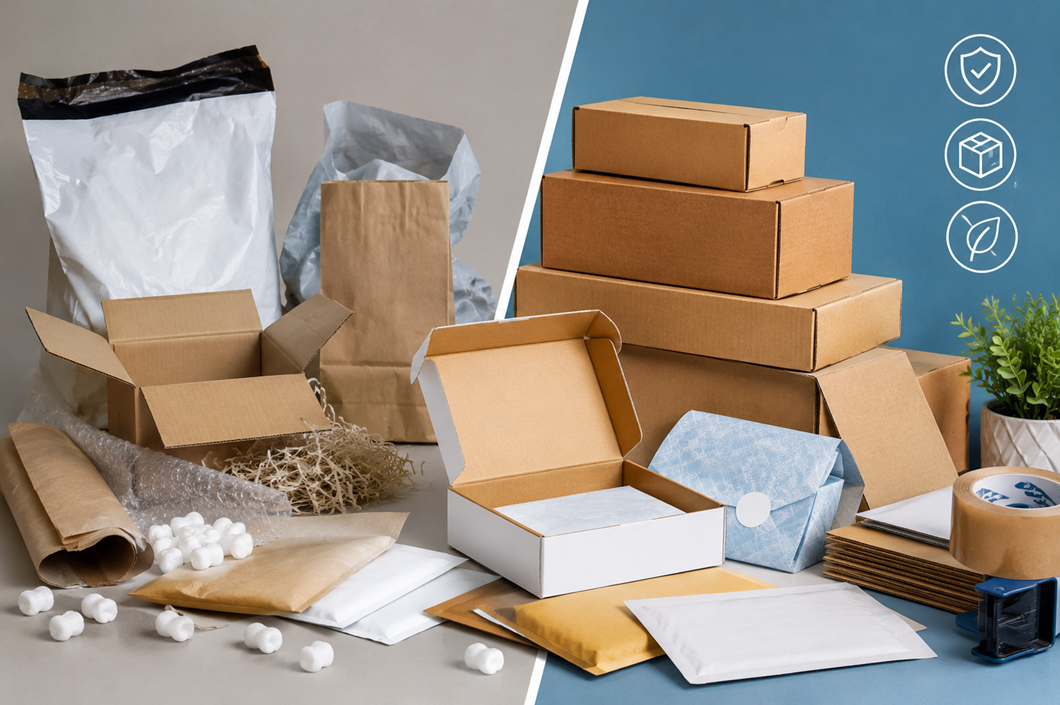
We’ve all done it. You’ve picked up a roll of tape, grabbed a box and thought, “That should do the job.” Sometimes it does. Sometimes it doesn’t.
The truth is, the right packaging can make the difference between a product arriving in perfect condition and one arriving damaged. That’s why businesses don’t rely on just one type of packaging. They mix and match different materials depending on what they’re shipping, how far it’s travelling and how much protection it needs.
If you’re sending a lightweight document, you wouldn’t use the same packaging as you would for glassware or a heavy electrical item. Every parcel has its own requirements. Once you understand what each material is designed to do, packing becomes much easier—and much smarter. Whether you’re shipping products every day or packing occasional orders, choosing suitable packaging materials can save time, reduce waste and leave customers with a much better first impression.
This article is based on practical packaging methods used across e-commerce, retail and distribution industries, along with guidance commonly followed by packaging professionals to improve product protection during transit.
Why Is Choosing the Right Packaging Materials So Important?
It’s easy to think a parcel is “packed” once the box is sealed. In reality, that’s only half the job.
Imagine sending two identical coffee mugs. One is properly wrapped and packed in sturdy cardboard postal boxes with enough cushioning to prevent it from moving around. The other is placed inside a box with very little protection. Both leave your warehouse on the same day, but they may not arrive in the same condition.
Good packaging does more than protect products. It helps reduce returns, keeps replacement costs under control and gives customers confidence that you’ve taken care of their order.
Before choosing what to use, ask yourself a few simple questions.
- Is the product fragile?
- Could it get scratched?
- Will it travel a long distance?
- Does it need protection from moisture?
- Is presentation important when the customer opens the parcel?
The answers usually point you towards the right solution instead of using the same materials for every shipment.
Which Packaging Materials Should You Keep on Hand?
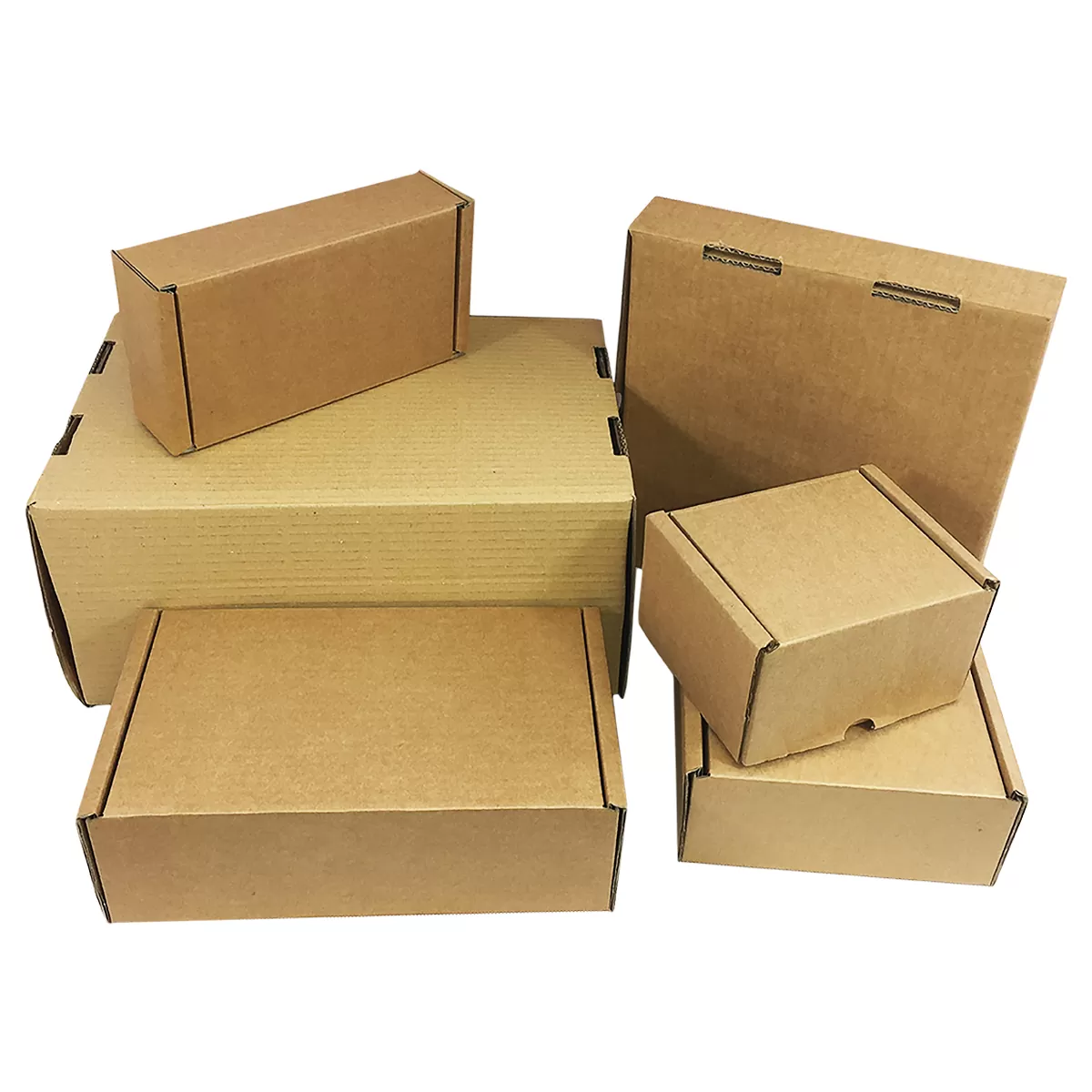
No single material can do every job. That’s why experienced businesses keep a small range of packaging supplies ready instead of relying on one product.
Here’s a quick comparison.
| Material | Best Used For |
| Cardboard Packaging | Shipping heavier or fragile products |
| Postal Packaging | Documents, books and online orders |
| Paper Packaging | Wrapping, filling empty spaces and eco-conscious packing |
| Polythene Packaging | Protecting products from dust and moisture |
| Protective Packaging | Cushioning delicate or breakable items |
| Tapes | Sealing cartons and parcels securely |
| Strapping Materials | Holding large or heavy loads together |
We’ll look at each of these in more detail because choosing the right combination is often what separates a well-packed parcel from one that arrives with problems.
Which Packaging Materials Should You Actually Use?
Here’s the thing—there isn’t a “best” packaging material. It all comes down to what you’re sending.
If you’re packing a mug, you’ll need to pack it with cushioning. Sending important documents? A bulky box would only add unnecessary cost. Every product requires something different, and that’s exactly why businesses keep a mix of packaging supplies rather than relying on just one.
Cardboard Packaging
Let’s start with the obvious one. Cardboard packaging does most of the heavy lifting.
It’s the material many businesses reach for because it’s dependable and works for almost every industry.
You’ll find it useful for:
- Homeware and kitchen products
- Electrical goods
- Toys and retail items
- Warehouse storage
- Everyday shipping
If your parcel needs extra strength, postage boxes are a practical option. They help protect products while keeping everything neat during transport.
Postal Packaging
Not every order deserves a large shipping carton.
Sometimes, keeping the parcel compact is the smarter choice. Smaller packaging often means less wasted space, lower postage costs and a tidier presentation when the customer opens it.
Some popular choices include:
- Cardboard postal boxes for books, gifts and cosmetics
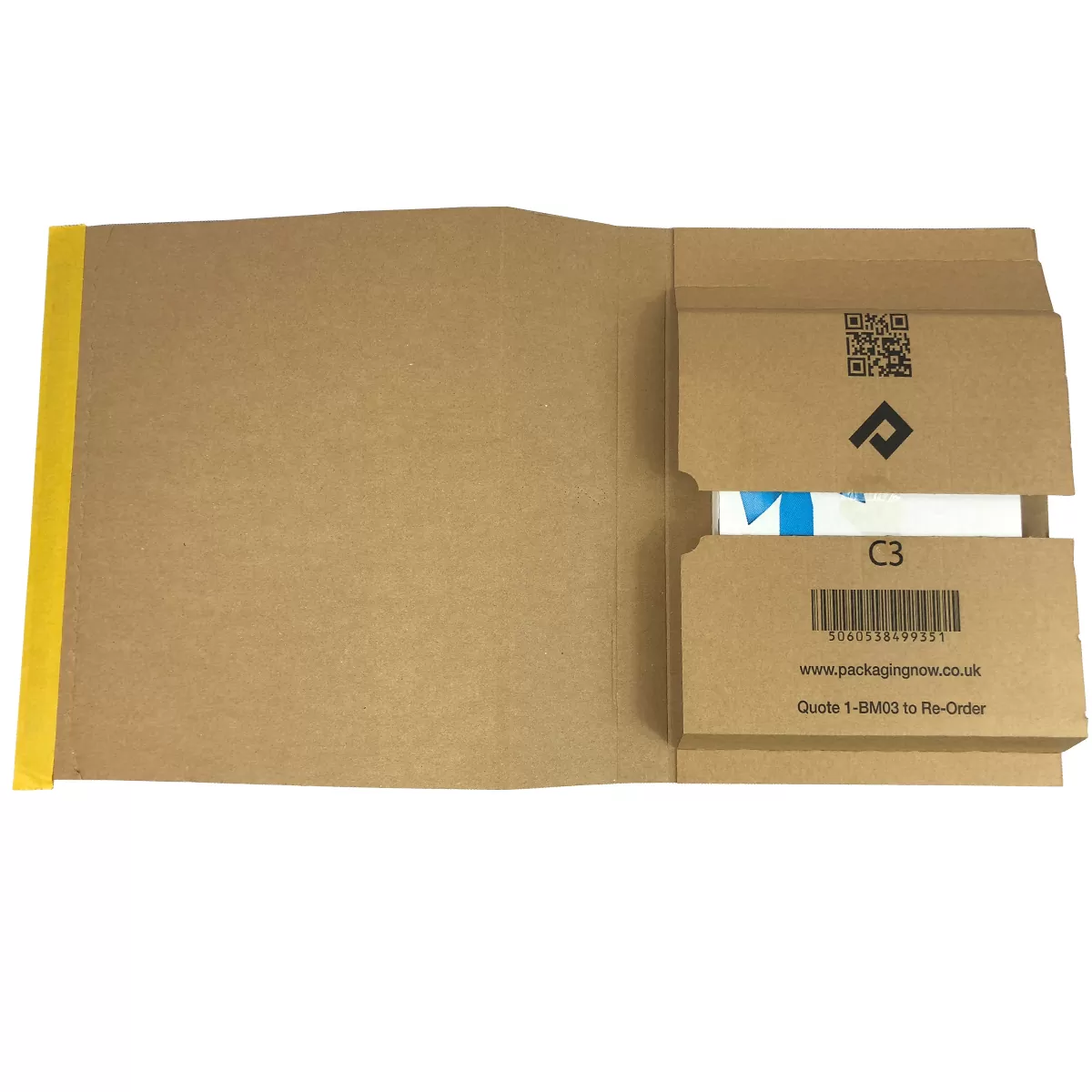
- Envelope packaging for paperwork and slim products
- Book wraps for printed material
- Mailing cartons for online orders
A simple change in packaging size can make a surprising difference, especially if you send parcels every day.
Paper, Polythene and Protective Packaging
These materials usually work behind the scenes, but they’re often what stops products from arriving damaged.
Paper packaging is great when you want to fill empty spaces or wrap products without adding much weight.
Polythene packaging comes in handy when moisture or dust could become a problem. That’s why it’s often used for clothing, fabrics and other soft goods.
Protective packaging does exactly what the name suggests.
It includes:
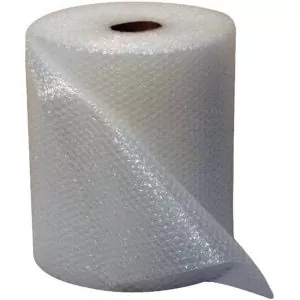
- Bubble wrap
- Foam rolls
- Foam sheets
- Packing paper
- Air cushions
Imagine posting a glass candle. The cardboard box gives it shape, bubble wrap cushions it, and paper filling keeps it from sliding around. Remove one layer, and the journey suddenly becomes much riskier.
Tapes and Strapping Materials
We’ve all seen parcels that have started opening before they even reach the customer.
Most of the time, the problem isn’t the box. It’s how it was sealed.
Good-quality tape keeps cartons closed during handling, while strapping adds extra security for heavier loads.
They’re commonly used for:
- Large cartons
- Pallet deliveries
- Bulk shipments
- Warehouse storage
- Industrial transport
It might seem like a small detail, but a secure seal often makes the difference between a parcel arriving safely and arriving with problems.
Conclusion
Good packaging isn’t about using more materials. It’s about using the right ones at the right time. Once you match your packaging to the product, everything else starts to fall into place. Fewer damaged deliveries, happier customers and less money spent replacing broken items. That’s why choosing suitable packaging materials is one of the smartest decisions any business can make.
Frequently Asked Questions
1. What are the most commonly used packaging materials?
Cardboard, paper, bubble wrap, polythene, tapes and strapping materials are among the most popular because they suit a wide range of products.
2. Are cardboard postal boxes suitable for fragile products?
Yes. They work well for many fragile items when combined with protective cushioning such as bubble wrap or packing paper.
3. When should I use envelope packaging?
It’s ideal for documents, photographs, certificates and other slim products that don’t require a large box.
4. Why should I use different packaging materials together?
Each material has its own purpose. Combining them gives your products better protection throughout the delivery journey.
5. How can I reduce product damage during shipping?
Choose packaging based on the size, weight and fragility of the item, then make sure everything is packed securely before dispatch.