


Establishing healthy grass across an HOA community or large development requires careful planning, suitable materials, and dependable installation. Large properties often contain multiple soil types, slopes, drainage areas, open spaces, and high-visibility landscapes that need consistent coverage. Commercial hydroseeding services can provide an efficient way to establish vegetation across these areas while supporting erosion control and long-term turf development. However, choosing the right contractor is just as important as choosing the right installation method. Asking specific questions before signing a contract can help an HOA board, developer, or property manager make a confident decision.
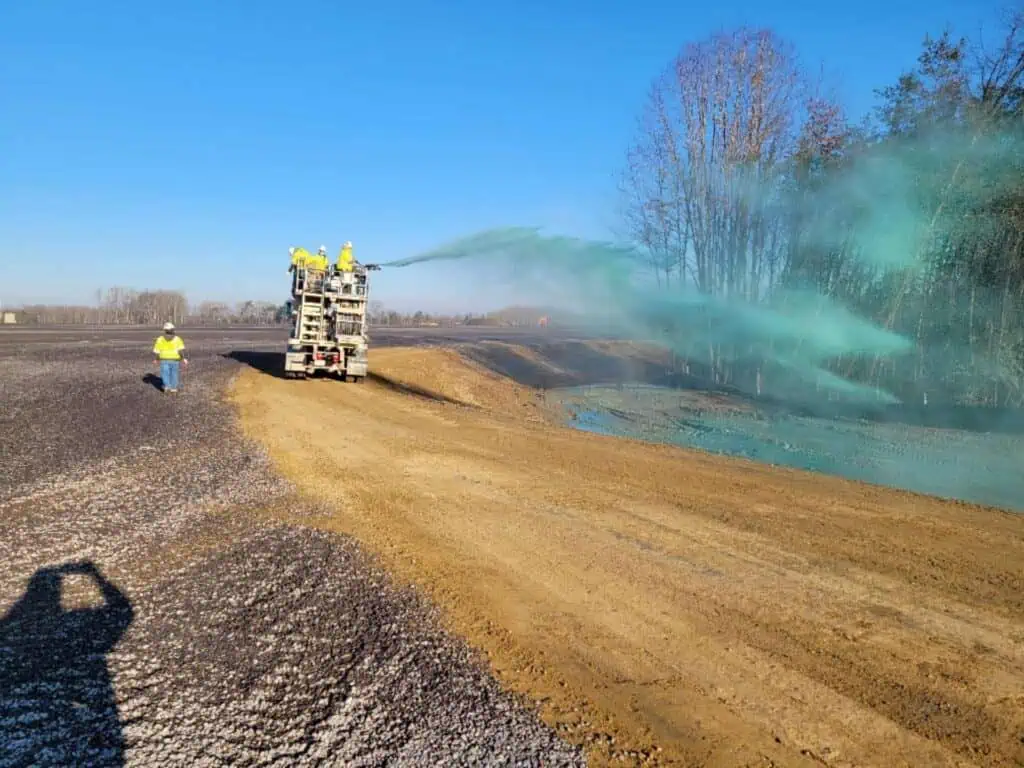
Why Choosing the Right Hydroseeding Contractor Matters
Hydroseeding may appear straightforward because the basic process involves spraying a mixture over prepared soil, but successful results depend on much more than the application itself. Soil preparation, seed selection, mulch type, application rates, weather conditions, irrigation, and follow-up care all influence how well the grass develops. An inexperienced provider may focus primarily on completing the spraying without addressing underlying site problems. A knowledgeable contractor should evaluate the entire project before recommending a solution. This approach can help protect the HOA’s landscaping budget and reduce the likelihood of expensive repairs later.
For developments and communities, consistency is another important consideration. An HOA may need vegetation established across entrances, common areas, retention zones, walking paths, vacant lots, and other shared spaces. A contractor must be able to manage the property’s overall layout while accounting for differences between individual areas. Professional planning also helps coordinate hydroseeding with grading, irrigation installation, construction schedules, and other landscape work. Before hiring a company, decision-makers should understand exactly how the contractor plans to handle these challenges.
1. What Experience Do You Have With Similar Commercial Projects?
The first question should focus on relevant experience rather than simply asking how long the company has been in business. A contractor may have years of general landscaping experience but limited experience with large-scale hydroseeding. HOA communities and developments can involve significant acreage, complicated drainage, construction-disturbed soil, slopes, and strict appearance expectations. Ask whether the company has completed projects with similar property sizes and site conditions. Experience with comparable work can provide useful evidence that the contractor understands the practical challenges involved.
Request examples of previous projects and, when possible, photographs showing the landscape before and after hydroseeding. You can also ask for references from property managers, developers, HOAs, or other commercial clients. A reputable contractor should be comfortable explaining its role in previous projects and discussing the types of seed mixtures and preparation methods used. Look for evidence of consistent workmanship rather than relying only on promotional claims. This type of due diligence can give an HOA board greater confidence before approving a substantial landscaping expenditure.
2. How Will You Prepare Our Soil Before Hydroseeding?
Soil preparation is one of the most important factors affecting hydroseeding success. Before application, the contractor should inspect the site for compaction, debris, poor grading, drainage problems, excessive rocks, and unsuitable growing conditions. Construction equipment can leave soil heavily compacted, making it difficult for roots to develop properly. If the soil is not prepared correctly, even a high-quality seed mixture may struggle to establish. Ask the contractor to explain exactly what preparation work will be completed before the hydroseeding equipment arrives.
It is also reasonable to ask whether soil testing is recommended for the project. Testing can identify nutrient deficiencies, pH issues, or other conditions that may require attention before planting. Depending on the findings, preparation could involve grading, tilling, topsoil improvements, or carefully selected amendments. The contractor should clearly explain which preparation services are included in the proposal and which may cost extra. Having this information in writing helps prevent misunderstandings and allows the HOA or developer to compare estimates accurately.
3. What Seed, Mulch, and Fertilizer Will You Use?
Not every grass seed is appropriate for every property. A professional contractor should select seed based on factors such as local climate, soil conditions, sunlight, drainage, expected traffic, and the intended use of each area. HOAs may need durable turf for common spaces, while undeveloped sections may have different requirements. Ask the contractor which grass varieties or blends are being recommended and why they are suitable for the property. The explanation should be based on site conditions rather than simply selecting the cheapest available seed.
The hydroseeding slurry may also contain fiber mulch, fertilizer, tackifying agents, or soil amendments depending on the project’s needs. Ask what type of mulch will be used, how much will be applied, and what purpose it serves. Similarly, fertilizer should be selected and applied at appropriate rates rather than assuming that more nutrients will automatically produce better growth. A transparent contractor should be able to explain the function of each major component. Understanding the materials helps property managers evaluate whether the proposed treatment is appropriate for the landscape.
4. What Is Included in Your Estimate?
Price comparisons can be misleading when different contractors include different services. One estimate may cover complete soil preparation, hydroseeding, fertilizer, mulch, and follow-up recommendations, while another may only cover the spraying itself. Ask for an itemized proposal that clearly identifies labor, materials, equipment, preparation, seed, mulch, fertilizer, and any additional services. This makes it easier to compare commercial hydroseeding services on an equal basis. It also helps the HOA understand the project’s total expected cost before work begins.
Ask about potential additional charges as well. Difficult access, extensive grading, soil amendments, erosion-control measures, irrigation requirements, or unexpected site conditions can change the final cost. A professional contractor should explain which circumstances could result in additional expenses. It is also useful to discuss payment schedules, project timelines, and procedures for handling approved change orders. Clear financial communication can prevent disputes and help HOA boards maintain accurate project budgets.
5. What Maintenance Will Be Required After Application?
Hydroseeding does not mean the property can be ignored after the slurry has been applied. Newly seeded grass needs adequate moisture during germination, and irrigation must be carefully managed to avoid drying or washing away the seed. Ask the contractor for a written watering schedule based on the selected grass and expected weather conditions. The HOA or property manager should also know when mowing can begin and what height is appropriate. Clear maintenance instructions can significantly improve the chances of successful establishment.
It is also important to understand what happens if certain areas fail to establish evenly. Ask whether the contractor provides follow-up inspections, touch-up seeding, or other forms of post-installation support. Not every thin area indicates an installation problem because weather, irrigation, wildlife, soil differences, and other factors can affect germination. However, a responsible contractor should be willing to evaluate concerns and explain appropriate corrective measures. Establishing expectations before work begins makes post-installation communication much easier.
Look for Local Knowledge and Reliable Communication
When searching online for a hydroseeding company near me, property owners may encounter numerous providers claiming to offer similar services. Local knowledge can be valuable because regional weather patterns, soil characteristics, seasonal conditions, and common turf varieties can influence project planning. However, proximity alone should not determine the final choice. Evaluate the company’s commercial experience, equipment, communication, references, and understanding of the property’s specific needs. A nearby contractor who lacks large-project experience may not be the best fit for an extensive HOA development.
Communication should remain consistent from the initial site visit through project completion. The contractor should explain the recommended approach, expected timeline, irrigation requirements, and factors that could influence establishment. They should also respond clearly to questions instead of using vague promises about guaranteed results. HOA boards often need to communicate project information to residents, so having a contractor who provides understandable documentation can be particularly helpful. Professional communication is a strong indicator of how the company may handle challenges during the project.
Red Flags to Watch for Before Hiring
Several warning signs deserve attention when evaluating potential hydroseeding contractors. Be cautious if a provider refuses to provide a written estimate, cannot explain its seed mixture, avoids questions about preparation, or offers an unusually low price without describing what is included. Promises of instant results should also be viewed skeptically because grass establishment naturally requires time and appropriate environmental conditions. A responsible contractor should discuss realistic timelines rather than guaranteeing outcomes that depend partly on weather and maintenance. Transparency is more valuable than an impressive sales pitch.
Another concern is a contractor who treats every property exactly the same. HOA communities and developments can contain substantial differences in soil, sunlight, slopes, drainage, and intended turf use. A professional should inspect the site and customize the approach where necessary. They should also explain how they plan to protect newly seeded areas and coordinate their work with other construction or landscape activities. Taking the time to identify these issues before signing a contract can save the HOA significant frustration and expense.
Final Thoughts
Hiring the right contractor for an HOA or development project requires more than comparing hydroseeding prices. Decision-makers should investigate commercial experience, soil preparation, seed and material selection, project estimates, maintenance requirements, and post-installation support. Asking these five questions creates a practical framework for evaluating potential providers and identifying companies that take the project seriously. The goal should be a contractor who understands the property’s unique conditions and provides a clear, realistic plan. Proper preparation and professional execution can make a substantial difference in the final appearance and durability of the landscape.
Commercial hydroseeding services can be a practical solution for establishing vegetation across large community and development properties, but the contractor’s expertise plays a major role in the outcome. An HOA or developer should choose a provider based on demonstrated experience, transparent pricing, appropriate materials, strong communication, and realistic expectations. Taking time to research contractors before work begins can help protect the landscaping investment and reduce avoidable problems. With the right questions and careful evaluation, property managers can move forward with greater confidence and create healthier, more attractive outdoor spaces for residents, visitors, and future property owners.