


Missing a tooth can affect much more than your smile. It can make chewing difficult, change the way you speak, and even lower your confidence. Over time, the empty space may also allow nearby teeth to shift, which can affect your bite and oral health.
Fortunately, dental implants offer a long-lasting solution for replacing missing teeth. They are designed to look, feel, and function like natural teeth, making them one of the most popular tooth replacement options today.
If you have been thinking about replacing one or more missing teeth, you may wonder whether implants are right for you. This guide explains the signs that may make you a good candidate and what to expect before starting treatment.
What Are Dental Implants?
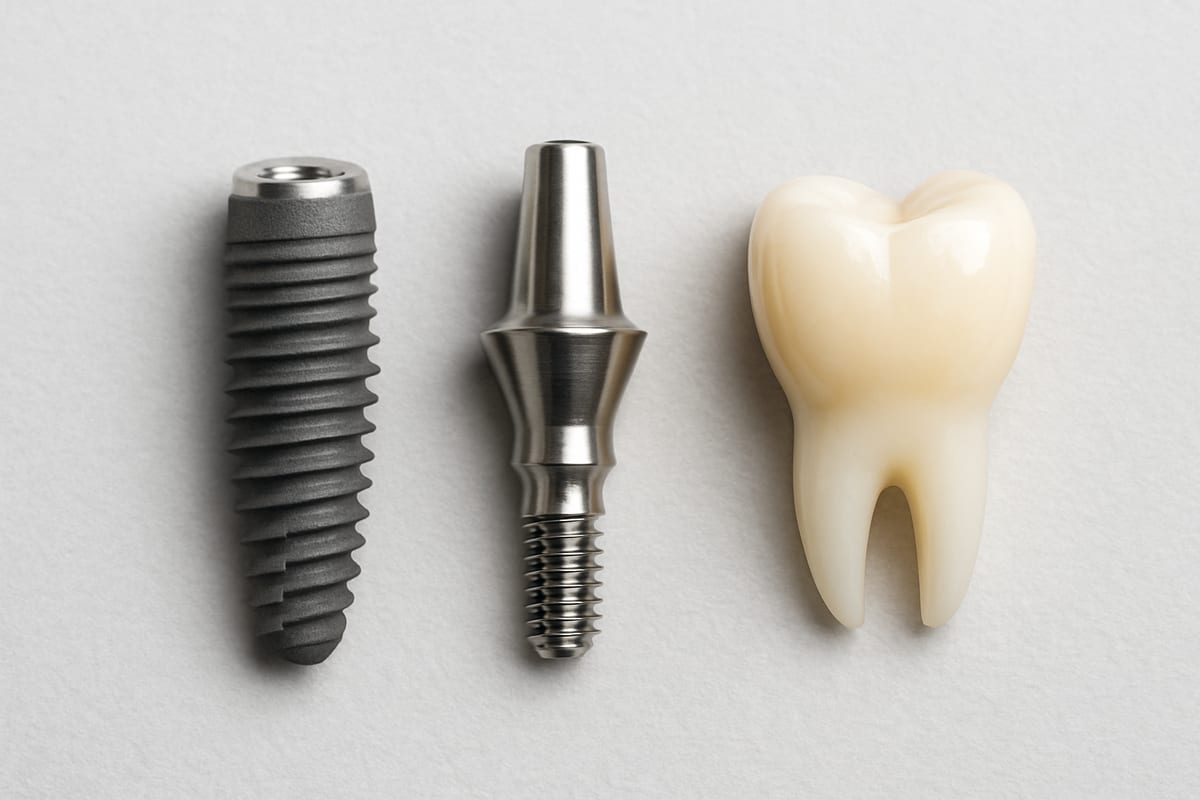
Dental implants are artificial tooth roots that are placed into the jawbone to support replacement teeth. Once the implant heals and bonds with the bone, a custom crown is attached to restore the appearance and function of the missing tooth.
A dental implant has three main parts:
- The implant post placed in the jawbone
- The connector called an abutment
- The custom-made dental crown
Unlike removable dentures, implants stay securely in place. They allow you to eat, speak, and smile with confidence.
You Have One or More Missing Teeth
One of the clearest signs that you may benefit from dental implants is having one or more missing teeth.
Missing teeth can make everyday activities more difficult. You may avoid smiling in photos, struggle to chew certain foods, or notice changes in your speech.
Replacing missing teeth with a Tooth implant in Houston can help restore both appearance and function while supporting your long-term oral health.
Your Jawbone Is Healthy Enough
Dental implants need a strong jawbone for support. After the implant is placed, the surrounding bone gradually bonds with the implant through a natural healing process called osseointegration.
If you have enough healthy bone, you may already be a good candidate for treatment.
Some patients experience bone loss after a tooth has been missing for a long time. In those situations, your dentist may recommend a bone graft before placing the implant.
Having some bone loss does not always mean implants are impossible. Many patients can still qualify after additional treatment.
Your Gums Are in Good Condition
Healthy gums are just as important as healthy bone.
If you have active gum disease, your dentist will usually recommend treating the infection before placing an implant. Healthy gums provide a stable foundation and reduce the risk of complications during healing.
Regular brushing, flossing, and professional dental cleanings help keep your gums healthy before and after implant treatment.
You Want a Long-Term Tooth Replacement
Many patients choose implants because they are designed to be a long-lasting solution.
Unlike removable dentures that may need frequent adjustments, implants are securely anchored in the jawbone. With proper care, many implants can last for decades.
Although the crown attached to the implant may eventually need replacement because of normal wear, the implant itself often remains stable for many years.
You Have Trouble Eating Certain Foods
Missing teeth can make eating uncomfortable.
You may avoid foods such as apples, steak, nuts, or fresh vegetables because chewing feels difficult or uneven.
Dental implants provide strong biting support that allows many patients to enjoy a wider variety of foods again.
Because implants stay firmly in place, they do not move while eating the way removable dentures sometimes can.
You Want to Protect Your Jawbone
When a tooth is lost, the jawbone in that area slowly begins to shrink because it no longer receives normal chewing pressure.
Over time, this bone loss may affect the shape of your face and reduce support for nearby teeth.
Dental implants help stimulate the jawbone during chewing, which may reduce bone loss compared with leaving the space empty.
This is one reason many Houston Dentists recommend replacing missing teeth sooner rather than waiting for additional bone changes to occur.
You Practice Good Oral Hygiene
Good oral hygiene is one of the best predictors of long-term implant success.
Patients who brush twice daily, floss every day, and attend regular dental checkups are often better candidates for implants.
Even though implants cannot develop cavities, the gums and bone around them still need proper care. Poor oral hygiene may increase the risk of infection around the implant.
Daily care remains an important part of keeping your smile healthy.
Who May Need Additional Treatment First?
Not everyone is immediately ready for implant placement. Some patients benefit from treating other dental concerns before beginning implant treatment.
Gum Disease
Active gum disease should be treated before implants are placed. Healthy gums create a stronger environment for healing.
Bone Loss
If significant bone has been lost after tooth loss, your dentist may recommend bone grafting to improve support for the implant.
Smoking
Smoking can slow healing and increase the risk of implant complications. Patients who reduce or stop smoking before treatment often experience better healing.
Certain Medical Conditions
Some medical conditions or medications may affect healing. Your dentist will review your medical history carefully before recommending implants.
What Happens During the Dental Implant Process?
The implant process usually takes place over several months.
First, your dentist performs a complete examination. Digital X-rays or a 3D scan help evaluate your jawbone and determine the best implant position.
Next, the implant is placed into the jawbone during a minor surgical procedure.
Over the following months, the implant gradually bonds with the surrounding bone. Once healing is complete, an abutment and custom crown are attached.
Although treatment takes time, the result is a stable replacement tooth that looks and functions naturally.
Questions to Ask Before Choosing Dental Implants
Before starting treatment, ask your dentist a few important questions.
- Am I a good candidate for implants?
- Do I have enough jawbone?
- Will I need a bone graft?
- How long will treatment take?
- What type of implant restoration do you recommend?
- What should I expect during recovery?
Clear communication helps you understand the treatment plan and make an informed decision.
If you are comparing treatment options, you may also want to discuss dental implants Cost in Houston. The final cost depends on factors such as the number of implants, imaging, bone grafting, the type of restoration, and any additional procedures that may be needed before implant placement.
How to Care for Dental Implants
Once your implant has healed, caring for it is very similar to caring for your natural teeth.
Brush twice every day using a soft-bristled toothbrush. Floss daily to remove plaque around the implant and nearby teeth.
Visit your dentist for regular examinations and professional cleanings. These appointments allow your dental team to monitor the health of your gums and the stability of the implant.
Avoid smoking whenever possible and limit habits such as chewing ice or opening packages with your teeth. These simple steps can help protect both your implant and your natural teeth.
Final Thoughts
Dental implants are one of the most reliable ways to replace missing teeth. They provide excellent stability, restore chewing ability, support jawbone health, and create a natural-looking smile.
If you have healthy gums, adequate jawbone, and good oral hygiene habits, you may already be a strong candidate for treatment. Even if additional procedures such as gum therapy or bone grafting are needed, many patients can still enjoy the long-term benefits of implants.
The best way to know if implants are right for you is to schedule a professional evaluation. Your dentist can examine your oral health, discuss your goals, and create a treatment plan that fits your individual needs.
FAQs
How long do dental implants usually last?
With proper oral hygiene and regular dental visits, dental implants can last for many years. While the crown may eventually need replacement because of normal wear, the implant itself is designed to be a long-term solution.
Are dental implants painful to receive?
Most patients report only mild discomfort after implant placement. The area is numbed during the procedure, and any soreness afterward is usually managed with medication, rest, and following your dentist’s aftercare instructions.
Can smokers still get dental implants?
Yes, smokers may still qualify for dental implants, but smoking can slow healing and increase the risk of complications. Your dentist may recommend reducing or quitting smoking before and after treatment to improve the chances of long-term implant success.