

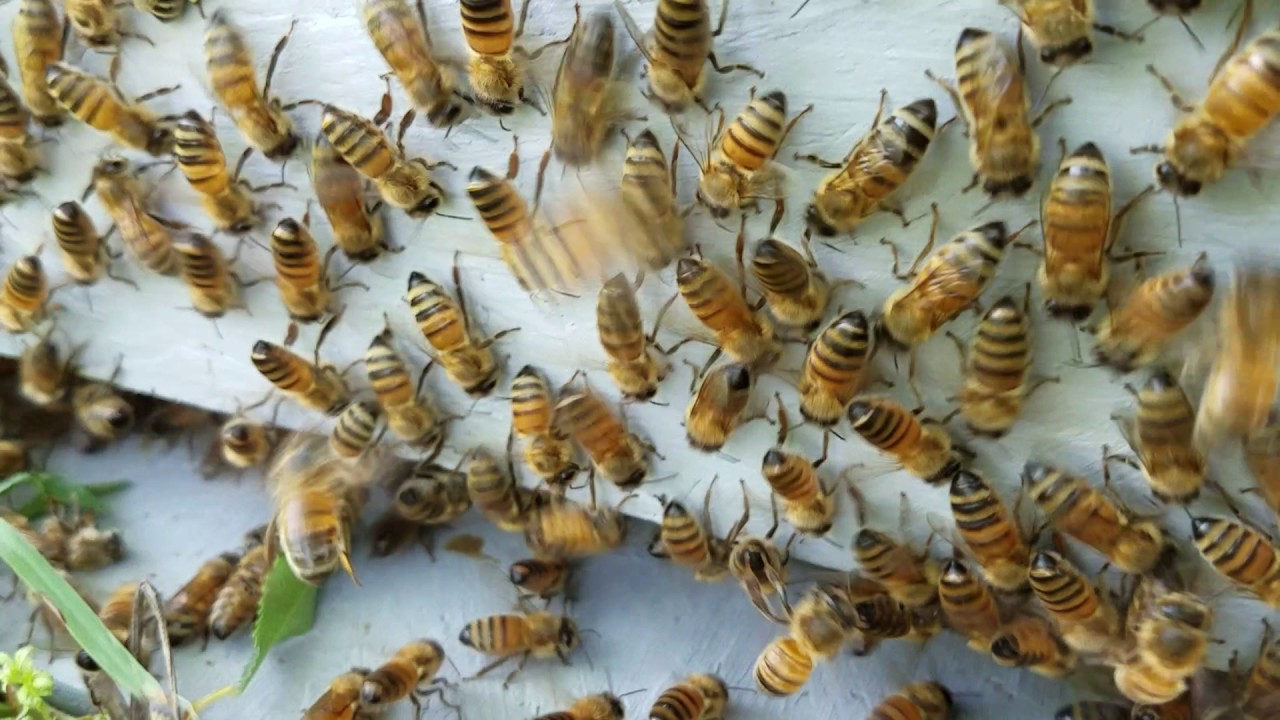
Bees are essential pollinators that contribute significantly to environmental balance, yet their behavior can sometimes confuse or concern people during outdoor activities. One particularly surprising interaction occurs when bees gather around sweaty surfaces, especially during warmer months when human perspiration becomes more noticeable. While many individuals assume bees are reacting aggressively, the reality is far more connected to their natural instincts and survival needs. Understanding this attraction helps reduce fear and encourages safer, more informed responses.
Human perspiration contains a mixture of water, salt, minerals, and trace organic compounds. These substances can unintentionally attract pollinators searching for nutrients unavailable in flowers alone. Sodium is especially important because bees occasionally seek minerals to support colony functions and maintain physiological balance. As a result, sweaty surfaces may become temporary targets for curious bees exploring alternative nutrient sources during hot weather conditions.
Environmental factors also influence this behavior. During dry seasons or periods of extreme heat, natural water supplies may become limited, encouraging bees to search more actively for moisture. Sweat provides both hydration and mineral content, making it appealing in ways many people do not initially recognize. Outdoor furniture, gym equipment, gardening tools, and clothing exposed to perspiration can all attract temporary bee activity under the right circumstances.
The Environmental and Biological Factors Behind Bee Attraction
Bee behavior is deeply connected to environmental conditions and biological needs that influence how they search for resources. Their attraction to sweaty surfaces is not random but rather part of a larger survival strategy shaped by seasonal demands, temperature changes, and colony activity. Exploring these factors provides valuable insight into why bees sometimes appear unexpectedly around humans during outdoor activities.
During warm weather, bee colonies become increasingly active as pollination intensifies and resource demands grow. Worker bees travel long distances collecting nectar, pollen, and water to sustain the hive. In periods of drought or high heat, naturally occurring mineral-rich water sources may become scarce. This scarcity encourages bees to seek alternative options, including damp clothing, skin, or outdoor objects carrying traces of perspiration.
The scent of sweat can also resemble naturally occurring compounds found in plants and soil. Bees rely heavily on their sensory systems to identify potential resources, often responding to subtle chemical signals humans barely notice. Salty perspiration creates a detectable trail that may lead curious pollinators toward patios, gardens, sports equipment, or outdoor seating areas. These sensory-driven behaviors explain why sweaty surfaces occasionally become gathering points for bees.
Color and texture may further contribute to attraction. Dark fabrics exposed to sunlight retain warmth and moisture, creating conditions that enhance scent concentration. Similarly, porous materials such as wood, fabric cushions, or gym mats absorb perspiration and hold moisture longer than smoother surfaces. Bees investigating these materials may remain nearby until environmental conditions change or resources are no longer detectable.
Common Places Where Sweaty Surfaces Attract Bees
Bee activity around perspiration often occurs in everyday outdoor settings where heat, moisture, and human activity intersect. Identifying these locations allows homeowners and outdoor enthusiasts to reduce unwanted encounters while maintaining comfortable and safe environments. Awareness of high-risk areas is one of the most effective strategies for preventing repeated bee attraction.
Outdoor fitness areas are among the most common locations where sweaty surfaces attract pollinators. Exercise equipment, yoga mats, benches, and towels exposed to perspiration can retain salts and moisture for extended periods. Bees searching for hydration or minerals may investigate these objects, particularly during hot afternoons when natural water sources become limited.
Gardens and patios also create ideal conditions for bee encounters. Individuals tending plants often perspire heavily while surrounded by flowers that already attract pollinators. Sweat transferred onto gloves, furniture, or gardening tools can unintentionally increase bee activity nearby. Combined with floral scents and warm temperatures, these conditions create an environment where bees feel naturally encouraged to explore.
In some cases, recurring bee presence near homes may indicate broader nesting activity in surrounding structures or landscaping. Consulting professionals such as a bee removal service in Pasadena, LA can help determine whether bee behavior is connected solely to environmental attraction or if hidden colonies are contributing to ongoing activity. Integrating professional guidance with preventative habits supports safer and more balanced outdoor living spaces.
Practical Prevention Methods for Homes and Outdoor Spaces
Preventing bee attraction to sweaty surfaces involves reducing accessible moisture, limiting lingering scents, and maintaining clean outdoor environments. Simple adjustments in daily habits and property maintenance can significantly decrease the likelihood of repeated encounters while allowing pollinators to continue their essential ecological roles elsewhere.
Personal hygiene and clothing management are among the most effective prevention strategies. Changing out of sweat-soaked clothing promptly after exercise or outdoor work reduces lingering scents that may attract bees. Washing towels, sports gear, and gardening gloves regularly also helps eliminate mineral buildup and moisture retention. These habits reduce opportunities for pollinators to associate human environments with accessible resources.
Cleaning outdoor furniture and shared surfaces is equally important. Patio chairs, cushions, gym equipment, and wooden decks often absorb perspiration over time, especially during summer months. Regularly wiping these areas with mild cleaning solutions removes salts and residues that contribute to attraction. Maintaining dry surfaces whenever possible further discourages bees from investigating the area.
Behavior during encounters matters significantly as well. Calm movements and patience reduce the likelihood of defensive reactions when bees approach sweaty surfaces. Attempting to swat or crush pollinators may provoke stinging behavior, even if the bees were initially harmless. Encouraging awareness and respectful responses creates safer outcomes for both humans and pollinators.
Long-Term Solutions for Managing Bee Activity Responsibly
Sustainable prevention requires a balanced approach that prioritizes safety while respecting the ecological importance of bees. Because pollinators are essential to plant reproduction and environmental health, the goal should never involve unnecessary harm or destruction. Instead, homeowners benefit most from long-term strategies that reduce attraction while supporting responsible coexistence.
Routine inspections around outdoor living spaces help identify factors contributing to increased bee activity. Cracks in walls, hidden cavities, roof gaps, or cluttered landscaping may provide nesting opportunities that encourage bees to remain near the property. Addressing these structural vulnerabilities reduces the likelihood of colonies establishing themselves close to areas frequently exposed to sweaty surfaces and human activity.
Providing alternative water sources away from patios or recreational spaces can also help redirect pollinator movement. Shallow water dishes placed near gardens offer bees safer hydration options, reducing their interest in perspiration-covered objects. This approach supports ecological balance while minimizing unwanted encounters around living areas.