

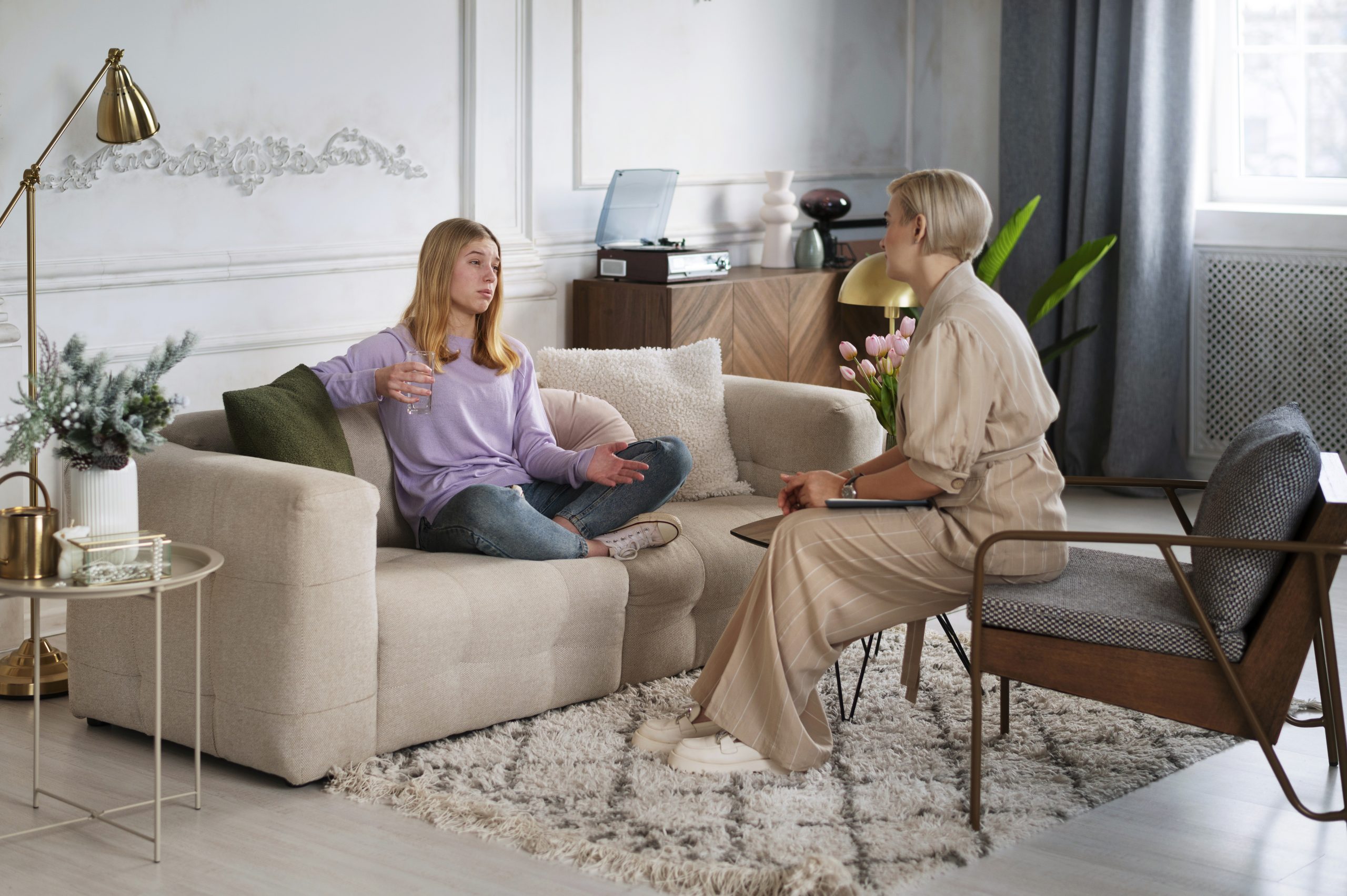
Remote counseling is a way to talk with a licensed counselor without going to an office. You join through a phone or video call from your home or any private space. Many people in the USA use this option because it eliminates travel time and makes it easier to fit into their daily lives.
When you start looking for support, you may come across options like at-home mental health services in Sarasota, FL. This shows that mental health care is no longer limited to clinics. You can get help in ways that match your situation and comfort level.
In remote counseling, the structure remains similar to that of in-person sessions. You still talk about your thoughts, feelings, and daily challenges. The only change is the setting, not the purpose of care.
This guide explains what usually happens in remote counseling so you know what to expect before your first session.
What Happens During Remote Counseling Sessions
1. Simple start and setup process
Starting remote counseling is usually simple. You book a session and receive a link or instructions by email or text. When it is time for your appointment, you click the link and join the session.
You do not need advanced technical skills. A phone, tablet, or laptop works fine. A stable internet connection helps keep the call smooth. Some people also test their camera and audio before the session starts so they feel ready.
Most people choose a quiet room or private space. This helps you speak freely without worrying about being overheard or interrupted.
The purpose of this step is to keep things simple so you can focus on the conversation, not the setup.
2. First session is about understanding you
The first session is mostly about understanding your background. The counselor will ask general questions about your life, daily habits, stress levels, sleep, and emotional concerns.
You do not need to prepare anything special. You only need to answer honestly based on your experience. There is no pressure to explain everything perfectly.
The counselor may also ask what brought you to counseling at this time. This helps them understand your main concerns and what kind of support you may need.
This session is more about listening and learning than solving problems right away.
3. Privacy and comfort matter
Remote counseling is designed to protect privacy. Most platforms use secure systems for calls and messages. This helps keep your information private.
You also play a role in privacy. Choosing a quiet space where you will not be disturbed helps you speak more openly. Some people use headphones for extra privacy.
Feeling safe in your space can make it easier to talk about personal topics.
4. Regular structure in each session
Most sessions follow a simple structure. You talk about how your week has been, what challenges came up, and how you handled them.
The counselor listens and asks questions. They may also suggest ways to manage stress or thoughts.
Sessions usually last around 30 to 60 minutes. Over time, this routine helps you stay focused on your goals.
5. Different methods used in counseling
Counselors use simple methods to help you understand your thoughts and actions. One common method is talk-based therapy, where you discuss your feelings and daily experiences.
They may also guide you through basic exercises like:
- Writing down thoughts
- Identifying stress triggers
- Learning coping steps
These methods are explained in simple language so you can use them in daily life.
6. Progress is checked over time
Your counselor will often ask how things are changing for you. This helps track progress and adjust your goals if needed.
You may notice small changes first, such as how you react to stress or handle problems. These changes build slowly over time with regular sessions.
Progress is not the same for everyone, so the focus stays on your personal experience rather than comparison.
7. Limits and when extra help is needed
Remote counseling is helpful for ongoing emotional support, but it is not designed for emergencies. If someone is in immediate danger, they should contact emergency services or a crisis hotline right away.
Counselors can guide you on what to do if a situation becomes serious. They may suggest higher levels of care or in-person support if needed.
Understanding these limits helps you know when remote counseling is the right option and when more urgent care is required.
Wrap Up!
Remote counseling gives you a way to get mental health support without leaving your home. You talk with a trained counselor, share your thoughts, and work on your goals step by step. The setup is simple, and the process follows a steady structure.
Over time, regular sessions can help you better understand your emotions and responses. It also gives you space to talk about things you may not discuss elsewhere.
Turner Concierge Care provides support to people seeking remote and home-based mental health services in the USA. It focuses on making care more reachable in everyday life.
